
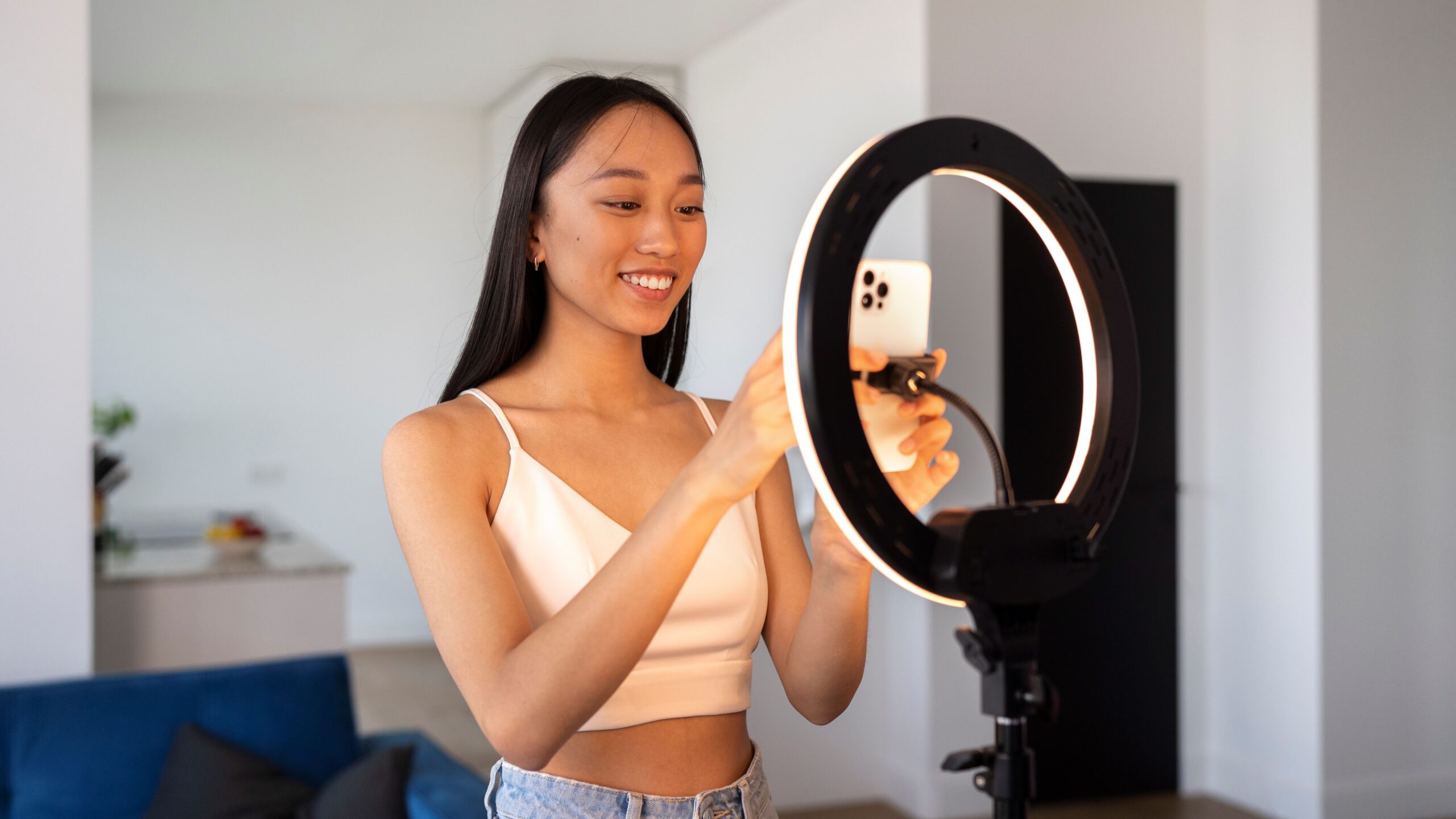
How to Use Ring Lights for Passport Photo Shooting
Ever wondered why some passport photos look professional and perfectly lit while others look dull or shadowy? The secret often lies in the lighting — and one of the best tools to get that flawless glow is the ring light. Ring lights have become the go-to for photographers, influencers, and even everyday users aiming to capture clean, bright photos with minimal effort. If you’re tasked with taking passport photos—whether for yourself, your family, or clients—using a ring light can be a game changer. But how exactly do you use a ring light for passport photo shooting? That’s what we’re diving into today.
What Is a Ring Light?
Before we jump into the “how,” let’s talk about the “what.” A ring light is a specialized lighting tool designed in a circular shape that surrounds the camera lens, providing consistent and even illumination. Unlike traditional lights that can cast harsh shadows or uneven lighting, the ring light’s unique design ensures that the light wraps uniformly around the subject. This feature is particularly important for photography genres where clarity and detail are essential, such as passport photos, portraits, and product shots. The result is a soft, balanced light that highlights the subject’s features without creating distracting shadows or glare.
The construction of a ring light typically includes a series of LED bulbs arranged in a circle, although some models use fluorescent or other light sources. This configuration allows the light to bounce back evenly from the edges of the ring, directing illumination straight onto the face or object positioned in the center. Because the camera lens sits in the middle of this ring, the light source is aligned perfectly with the point of view, minimizing shadow formation and giving photos a polished, professional look. The intensity and color temperature of the light can usually be adjusted, enabling photographers to tailor the lighting to different skin tones and ambient conditions.
One of the most attractive aspects of a ring light is its versatility and ease of use. It can be mounted on a tripod or stand, making it highly portable and convenient for both amateur and professional photographers. Ring lights have become especially popular among content creators and influencers because they produce a flattering glow that enhances facial features while masking minor skin imperfections. This soft, even illumination can make a huge difference in how a photo turns out, lending a clean, crisp quality that is difficult to achieve with standard lighting equipment.
In the context of passport photo shooting, the ring light’s ability to provide shadow-free, balanced illumination is invaluable. Passport photos have strict requirements regarding lighting and clarity, demanding that the subject’s face be clearly visible without shadows or color distortions. A ring light ensures that these conditions are met by distributing light evenly across the face, making it easier to capture an image that complies with official standards. Using a ring light simplifies the process, reducing the need for multiple light sources or complicated setups, and ultimately helping you produce high-quality passport photos every time.
Why Use a Ring Light for Passport Photos?
You might wonder why you should go through the trouble of using a ring light instead of just relying on natural sunlight or a regular lamp. After all, isn’t light just light? Well, not quite. Ring lights bring a range of benefits that make them especially suited for passport photo shooting, where precision, clarity, and compliance with strict standards matter a lot. Here’s a detailed breakdown of why ring lights truly stand out:
- Provides Even Lighting Across the Face: One of the biggest challenges in photography is avoiding harsh shadows that distort facial features or create an unflattering look. Ring lights excel at reducing these shadows because their circular design surrounds the camera lens, casting light evenly on all sides. This balance means no dark patches on one side of the face or weird shadows under the chin, helping to capture every detail accurately and cleanly.
- Creates a Soft, Natural Glow: Unlike harsh, direct lighting from ordinary lamps or some flashes, ring lights produce a diffused, gentle glow that smooths the skin’s appearance without hiding essential features. This subtle effect minimizes the look of small blemishes, uneven textures, or wrinkles without making the face look overly retouched or artificial — a perfect balance for official photos that must look natural yet polished.
- Frames the Face Beautifully: The unique circular shape of a ring light doesn’t just illuminate — it also naturally draws the viewer’s attention toward the center, where the subject’s face sits. This framing effect helps enhance facial features and makes the photo visually appealing while still adhering to passport photo rules, which demand that the face is fully visible and unobstructed.
- Easy to Set Up and Use: Unlike complex lighting rigs that require multiple lights, stands, and diffusers, ring lights are compact, lightweight, and often come with adjustable stands or tripod mounts. This means you can set up your shooting space quickly, even if you’re working at home or in a small studio. The straightforward design requires minimal technical know-how, making it accessible for beginners and pros alike.
- Consistent Lighting Regardless of Environment: Natural light can be unpredictable — changing with the time of day, weather, or even clouds passing by. Ordinary lamps may cast uneven light or create color tints that aren’t flattering. Ring lights, however, offer a controlled, reliable light source that can be adjusted for brightness and color temperature, ensuring that your passport photos look consistent every time, no matter when or where you take them.
- Reduces the Need for Multiple Light Sources: When trying to achieve professional-quality photos, photographers often rely on several lights to eliminate shadows and brighten the scene. A ring light simplifies this by doing most of the work with just one device, cutting down on clutter and complexity, which is especially helpful for quick passport photo sessions.
Essential Gear for Passport Photo Shooting with a Ring Light
| Equipment | Purpose | Recommended Features | Tips for Use | Why It Matters |
| Ring Light | Main lighting source | Adjustable brightness and color temperature; size between 12-18 inches | Position at eye level directly in front of subject for even illumination | Provides shadow-free, uniform light essential for clear passport photos |
| Camera or Smartphone | To capture the photo | High-resolution camera; tripod compatibility; manual settings preferred | Use portrait mode or manual focus for sharp images | Captures clear, detailed images that meet passport photo standards |
| Tripod or Stand | Stabilize camera and ring light | Adjustable height; sturdy and portable | Keep camera steady and aligned with ring light | Prevents blurry photos and maintains consistent framing |
| Plain Background | Creates a clean, compliant backdrop | White or off-white, wrinkle-free surface | Ensure enough distance (2-3 feet) between subject and background to avoid shadows | Meets official passport photo requirements and avoids distractions |
| Measuring Tape | To set the correct distance between subject, background, and light | Flexible tape with clear markings | Use to maintain 2-3 feet distance from background and proper ring light positioning | Ensures proper scale and lighting, reducing shadows and background interference |
Step-by-Step Guide: How to Use a Ring Light for Passport Photos
Getting the perfect passport photo may seem tricky, but with the right approach and a ring light, you can achieve professional results right at home. The first step is selecting the appropriate ring light. For passport photos, a ring light between 12 and 18 inches works best, providing ample light without overwhelming the subject. It’s important to choose a model with adjustable brightness and color temperature settings, ideally around 5000 to 6000 Kelvin, to mimic natural daylight. This ensures the colors in the photo look true to life, which is essential for official documents.
Once you have your ring light ready, setting up the shooting space is key. Passport photos require a plain, light-colored background, usually white or off-white. Using a blank wall or a smooth sheet works well, but make sure it’s wrinkle-free and free from any shadows or distracting marks. The subject should be positioned about two to three feet away from the background to avoid casting shadows, which can cause the photo to be rejected by authorities. Creating this clean, simple backdrop helps keep the focus on the face and meets official passport photo requirements.
Next, positioning the ring light correctly makes all the difference. Place the ring light directly in front of the subject’s face at eye level to ensure even, shadow-free lighting. The camera or smartphone should be set up so that its lens is centered inside the ring light or just behind it, capturing the soft, uniform glow. Using a tripod for both the ring light and camera helps maintain stability and consistent framing. Adjust the distance between the ring light and the subject to ensure the face is well-lit but not overexposed, avoiding glare or washed-out skin tones.
Finally, fine-tune your camera settings and guide your subject to meet passport photo standards. If using a professional camera, set a low ISO between 100 and 400 to avoid graininess, use a moderate aperture (around f/8 to f/11) for sharp focus, and adjust white balance to daylight or match the ring light’s color temperature. For smartphones, portrait mode with locked focus on the face is ideal, and avoid any filters or beauty enhancements since passport photos must look natural. Instruct the subject to maintain a neutral expression with eyes open, mouth closed, facing directly forward, and remove any glasses, hats, or accessories that could obstruct the face. Taking multiple shots increases the chances of capturing the perfect image with proper lighting, posture, and clarity, giving you options to choose from and ensuring compliance with passport photo guidelines.
Tips for Perfect Passport Photos with a Ring Light
- Be mindful of reflections caused by the ring light’s circular shape, especially on glasses or shiny skin. These reflections can distract from the photo’s clarity and may cause it to be rejected for official use. To minimize this effect, try lowering the brightness of the ring light so it’s less intense but still effective. Additionally, asking the subject to slightly tilt their head or change the angle can help avoid direct reflections hitting glasses. Whenever possible, it’s best to have the subject remove glasses entirely to prevent glare and ensure the eyes are clearly visible.
- Pay close attention to the color temperature settings of your ring light and camera. If the subject’s skin tone appears unnaturally warm (too yellow or orange) or too cold (bluish), it’s likely due to improper color temperature balance. Adjusting the ring light’s temperature to a daylight setting between 5000K and 6000K generally produces the most natural results. Alongside this, fine-tuning your camera’s white balance can help neutralize any unwanted color casts, ensuring the photo’s colors look accurate and lifelike.
- Watch out for subtle shadows that might still appear even when using a ring light, especially under the chin, around the nose, or beneath the jawline. These shadows can make the photo look less professional and may not meet passport photo standards. To combat this, consider using a reflector or a plain white surface positioned below the face to bounce light back upwards, softening or eliminating shadows. Alternatively, adding a second, softer light source at a low intensity can help fill in these areas without creating new harsh shadows, resulting in a more evenly lit and flattering photo.
- Make sure the subject maintains a neutral facial expression with both eyes open and mouth closed, facing directly toward the camera. Even the best lighting won’t save a photo if the expression or pose doesn’t meet passport photo guidelines. Keep the background plain and free of any shadows or distracting marks, and ensure the subject’s hair is pulled back or out of their face to avoid any obstructions. Consistently check the images on your camera or smartphone screen as you shoot, taking multiple photos to select the best one that fulfills all these criteria.
Common Mistakes to Avoid
| Mistake | How to Fix It | Why It Happens | Impact on Photo Quality | Prevention Tips |
| Using too harsh lighting | Dim the ring light or increase the distance between light and subject | Ring light too close or brightness too high | Creates strong shadows, highlights skin imperfections, and causes overexposure | Start with lower brightness and adjust gradually; maintain proper distance |
| Background clutter | Use a plain, solid-colored backdrop (white or off-white) | Shooting area has distracting elements or uneven background | Distracts from the subject and may cause photo rejection | Prepare a clean shooting space, use seamless backgrounds or plain walls |
| Subject too close or too far from background | Keep the subject 2-3 feet away from the background | Limited space or improper setup | Causes unwanted shadows or blurry background that doesn’t meet standards | Measure distance before shooting; use tape or markers for placement |
| Over-editing the photo | Keep edits minimal and natural; avoid filters or heavy retouching | Temptation to enhance photo aesthetics beyond official rules | Photo may look unnatural or get rejected due to altered facial features | Follow passport photo guidelines; only adjust brightness and contrast lightly |
Comparing Ring Light to Other Lighting Options
When it comes to choosing the right lighting for passport photo shooting, understanding how ring lights stack up against other common options is essential. One of the most important factors to consider is uniformity. Ring lights excel in this area by providing excellent, even lighting that wraps smoothly around the subject’s face. In contrast, natural light, while free and widely available, can be highly variable — changing with the time of day, weather conditions, or the angle of the sun. Standard lamps, on the other hand, often create uneven light with harsh shadows, making it difficult to achieve a clean, professional look necessary for official photos.
Ease of use is another key consideration. Ring lights are simple to operate with straightforward controls for brightness and color temperature, allowing users to quickly adjust settings to match the shooting environment. Natural light, while easy to access, is unpredictable and dependent on external factors like cloud cover or the time of day, which can disrupt your shooting schedule or lead to inconsistent results. Standard lamps can sometimes cause unwanted shadows and require precise positioning to avoid glare, making them less user-friendly in comparison to ring lights.
Portability is also important, especially if you want to take passport photos in different locations. Ring lights are highly portable, often lightweight and compact enough to carry in a bag, and many models are battery-operated for use without nearby power sources. Natural light obviously requires no equipment, but you are limited to shooting outdoors or near windows. Standard lamps, while portable to some extent, tend to be bulkier and less practical for mobile setups, reducing their convenience for quick photo sessions.
Finally, cost is always a factor. Ring lights generally fall into a moderate price range, offering a good balance between affordability and quality. Natural light is free but inconsistent, while standard lamps are usually inexpensive but less effective for producing the kind of even, flattering light needed for passport photos. Overall, ring lights represent the best middle ground by combining consistent, professional-quality lighting with ease of use and portability, making them the ideal choice for anyone serious about taking great passport photos without the unpredictability of natural light or the limitations of standard lamps.